How luck influences your casino experience
The Role of Luck in Gambling
Luck plays a pivotal role in the gambling world, especially when it comes to the casino experience. Players often enter casinos with the hope that fortune will favor them, and this element of chance serves as both a thrill and a source of frustration. The unpredictability of outcomes in games of chance means that no strategy can guarantee a win; it’s ultimately about how the dice roll, the cards fall, or the slots spin. For those seeking an edge, exploring nrl betting tips can provide valuable insights into strategies that might enhance their gaming experience. This inherent uncertainty is what keeps players returning, as they relish the excitement of potentially striking it rich with a stroke of luck.
Different games have varying degrees of reliance on luck versus skill. For instance, slot machines are predominantly luck-based, where players have no control over the outcome. Conversely, games like poker require a blend of strategy and luck, where players must not only rely on the cards they are dealt but also on their ability to read opponents and manage their bets wisely. This distinction can shape players’ perceptions of their own abilities and the role that luck plays during their gaming sessions.
Moreover, individual belief systems around luck can impact a player’s approach to gambling. Some individuals are staunch believers in lucky charms or rituals, attributing their wins to these practices. On the other hand, there are players who adopt a more analytical mindset, focusing on odds and probabilities over superstition. This dichotomy illustrates how luck can be a personal construct, influencing not just outcomes, but also the overall gaming experience and enjoyment within the casino environment.
The Psychological Impact of Luck
The psychological implications of luck in a casino setting are profound. The feeling of being lucky can significantly enhance a player’s enjoyment and confidence, often leading to more significant bets and longer play sessions. When a player wins, it triggers a rush of adrenaline, reinforcing the idea that luck is a tangible force. Conversely, a string of losses can lead to feelings of frustration or even despair, which can adversely affect the gambling experience. This emotional rollercoaster is an intrinsic part of casino gameplay, with luck acting as the catalyst for these highs and lows.
Interestingly, many players develop personal narratives around their luck, contributing to their identity as gamblers. Those who frequently win may consider themselves “lucky,” while others who experience losses might feel cursed or unlucky. This personalization of luck not only affects individual self-esteem but can also influence social interactions within casinos. Friends or colleagues may place bets together, sharing in triumphs and defeats, further cementing the social component of luck in gambling.
Additionally, the presence of luck in gambling can lead to a phenomenon known as the “gambler’s fallacy,” where players believe that past outcomes can influence future results. For example, if a player experiences several losses, they may believe that a win is “due” to occur. This cognitive bias can lead to irrational betting behaviors, sometimes escalating financial risk. Understanding this psychological interplay between luck and decision-making can enhance players’ awareness and potentially lead to more responsible gaming habits.
Cultural Beliefs and Luck
Cultural perceptions of luck also play a significant role in shaping the casino experience for players around the world. Different cultures have developed distinct symbols and rituals intended to attract good fortune. For instance, in many Asian cultures, the color red is considered lucky, leading players to wear red clothing or use red accessories when participating in games. These cultural beliefs can heighten the emotional stakes, making the experience more immersive and engaging as players seek to align themselves with positive forces.
Casinos themselves often contribute to the atmosphere of luck with decor and design choices. The use of bright colors, flashing lights, and celebratory music creates an environment charged with energy, drawing in players and heightening their senses. This ambiance fosters a connection to luck, encouraging players to let go of their inhibitions and engage more fully with their gaming experience. The interplay of culture and casino design can thus amplify feelings of luck and possibility, making every visit unique.
Moreover, storytelling and folklore have always found their way into the casino setting, with tales of lucky winners and cursed gamblers passed down over generations. These narratives help shape expectations and experiences for new players, reinforcing the idea that luck is a powerful and sometimes capricious force. Engaging with these stories can enhance the thrill of the gambling experience, as players hope to become part of the next legend of the casino.
Luck Versus Skill in Casino Games
The debate of luck versus skill is particularly prominent in games with a strategic element, such as poker and blackjack. In these instances, while luck has an undeniable impact, skilled players can manipulate the odds to their advantage. For example, in poker, successful players utilize their understanding of game theory, probability, and player psychology to make informed decisions. Those who invest time in learning game strategies may experience a different relationship with luck, viewing it as just one factor in a larger equation.

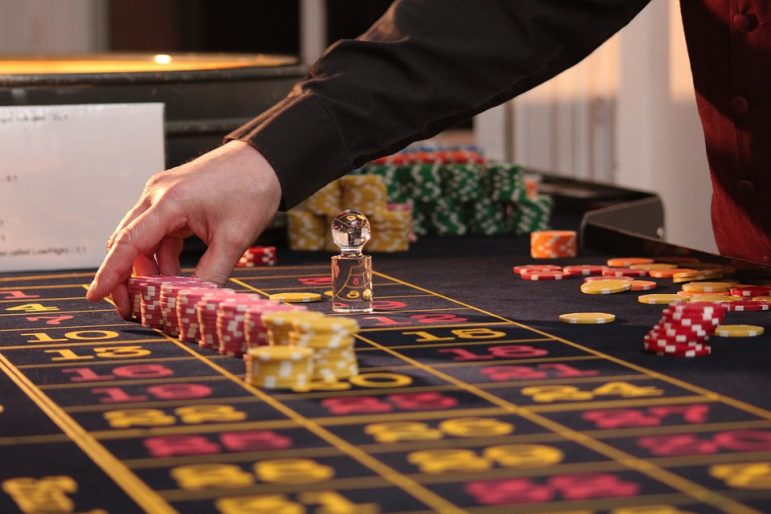
Conversely, in games like roulette or slots, the outcome is entirely determined by chance, which can lead to feelings of powerlessness among players. This lack of control in purely luck-based games can be a double-edged sword; while it simplifies decisions and provides immediate excitement, it can also lead to greater frustration when luck does not favor them. The reliance on luck in these games highlights the thrill inherent in the casino experience while emphasizing the need for players to approach such gaming forms with a balanced mindset.
Interestingly, the blend of luck and skill in various games can lead to different levels of engagement among players. Those who favor skill-based games may feel more empowered and invested in their outcomes, while players who enjoy purely chance-based games might focus more on entertainment and social interaction. Understanding how these dynamics play out can help players choose games that align with their preferences, enhancing their overall casino experience.
Finding Balance: Luck and the Casino Experience
For many, the casino experience is about finding the right balance between luck and strategy. Players often enter casinos with the hope of experiencing the thrill of winning while also enjoying the social aspects of gaming. This equilibrium is crucial to sustaining a positive gaming experience, as an overemphasis on luck can lead to reckless behavior, while an overly strategic approach can diminish the joyful unpredictability that makes gambling exciting. Awareness and moderation can cultivate a healthier relationship with the games.
Moreover, casinos themselves are increasingly recognizing the importance of promoting responsible gambling practices. Many establishments offer resources and tools to help players understand their gaming habits and maintain control over their spending. By fostering an environment that values both fun and responsibility, casinos can enhance the overall experience for visitors, promoting a culture where luck is embraced but not overindulged.
In conclusion, the interplay between luck and the casino experience is complex and multifaceted. Players’ beliefs about luck influence their expectations and emotions, while cultural factors shape how luck is perceived and celebrated. By understanding how luck operates within the casino context, players can better navigate their experiences, ensuring that they find joy in both the thrill of chance and the art of gaming.